Glover Archbold:
Forest Restoration Site
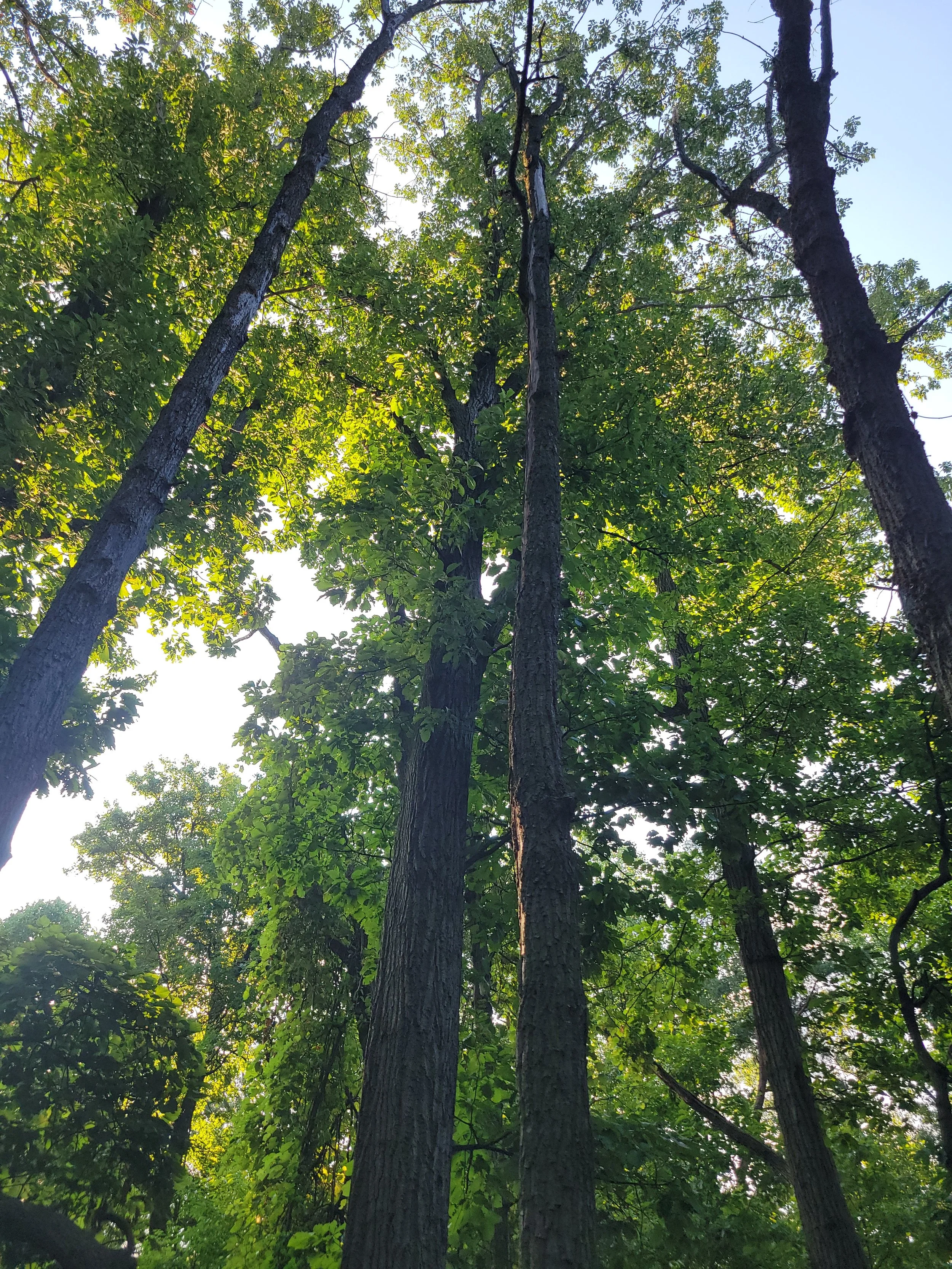
Rock Creek Conservancy is hard at work in Glover Archbold, removing invasive species and restoring native biodiversity.
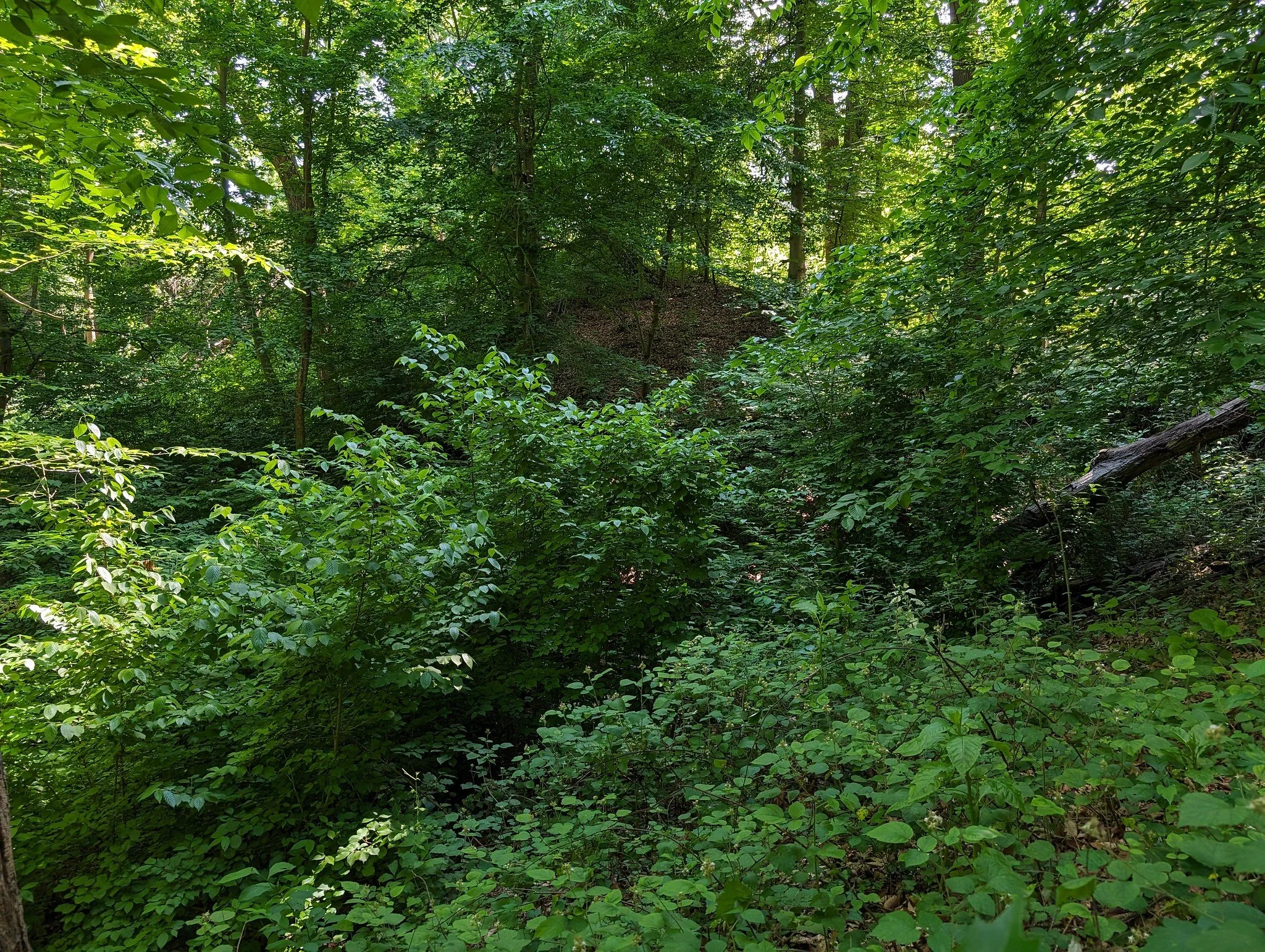
Native animals rarely eat invasive plant species, which means those invasives are able to grow rapidly and consume the resources of our native plants, eventually leading to a “monoculture”--only one type of plant growing. At Glover Archbold, an infestation of mature Doublefile viburnum took over the entirety of the floodplain, outcompeting native trees and shrubs.
Since the summer of 2024, the Conservancy has removed invasives from approximately six acres of forest bound by Hoban Street, the creek, and Reservoir Road. In early 2027, we will reintroduce native plants to improve habitat for our native animals. More native wildflowers means more native pollinators, and more native birds!
This project is helping the Conservancy and the National Park Service to improve our restoration strategies, which will help us to tackle challenges to a healthy urban forest throughout Rock Creek Park.
Native plants coming soon!
Flowering native trees and shrubs will aid our efforts to increase the biodiversity of both flora and fauna in Glover Archbold Park. The addition of these trees will attract pollinators and birds who rely on the park’s forest to thrive.
Serviceberry (Amelanchier arborea)
Flowering Dogwood (Cornus florida)
Eastern Redbud (Cercis canadensis)
American Bladdernut (Staphylea trifolia)
Winterberry (Ilex verticillata)
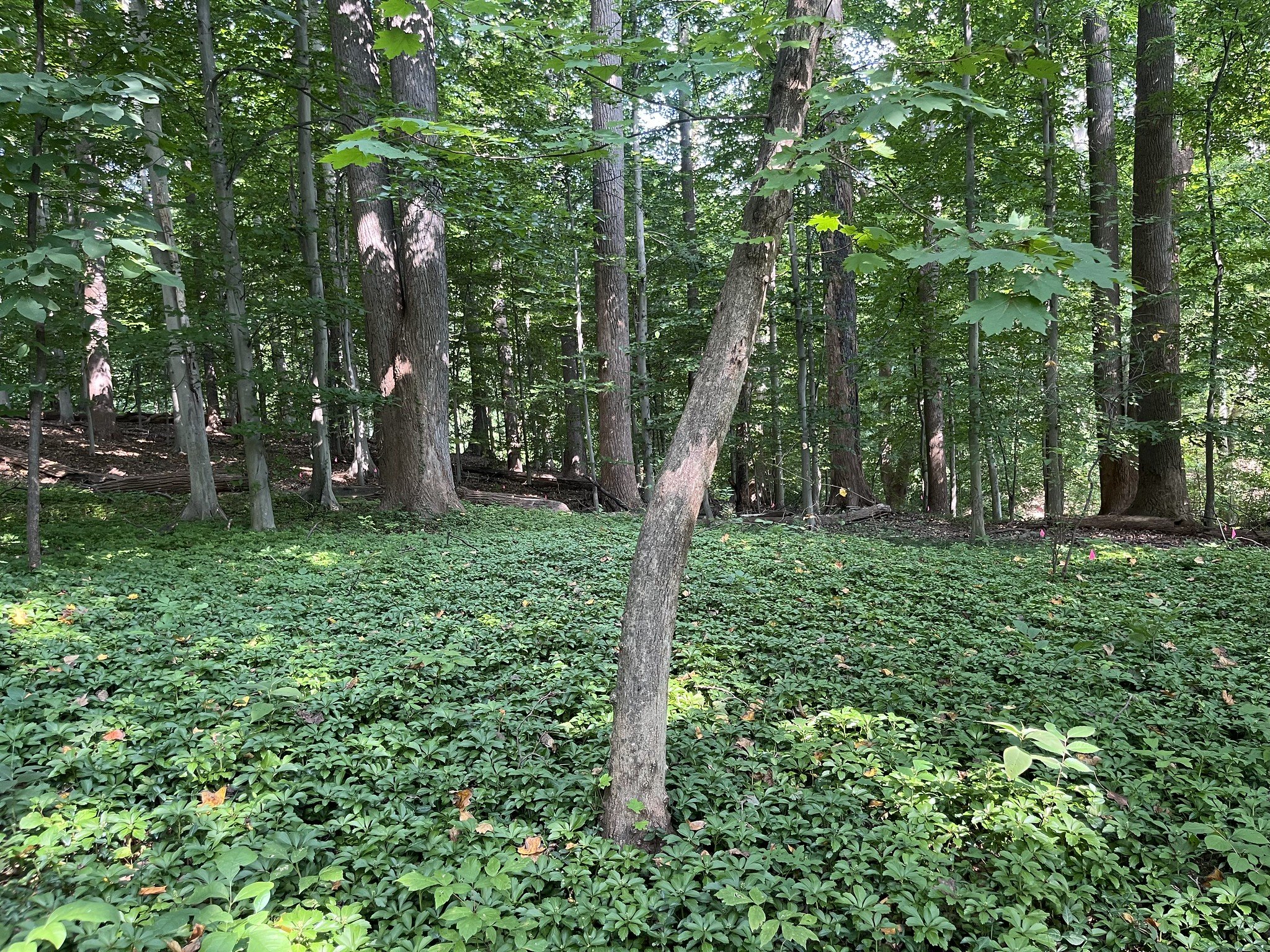
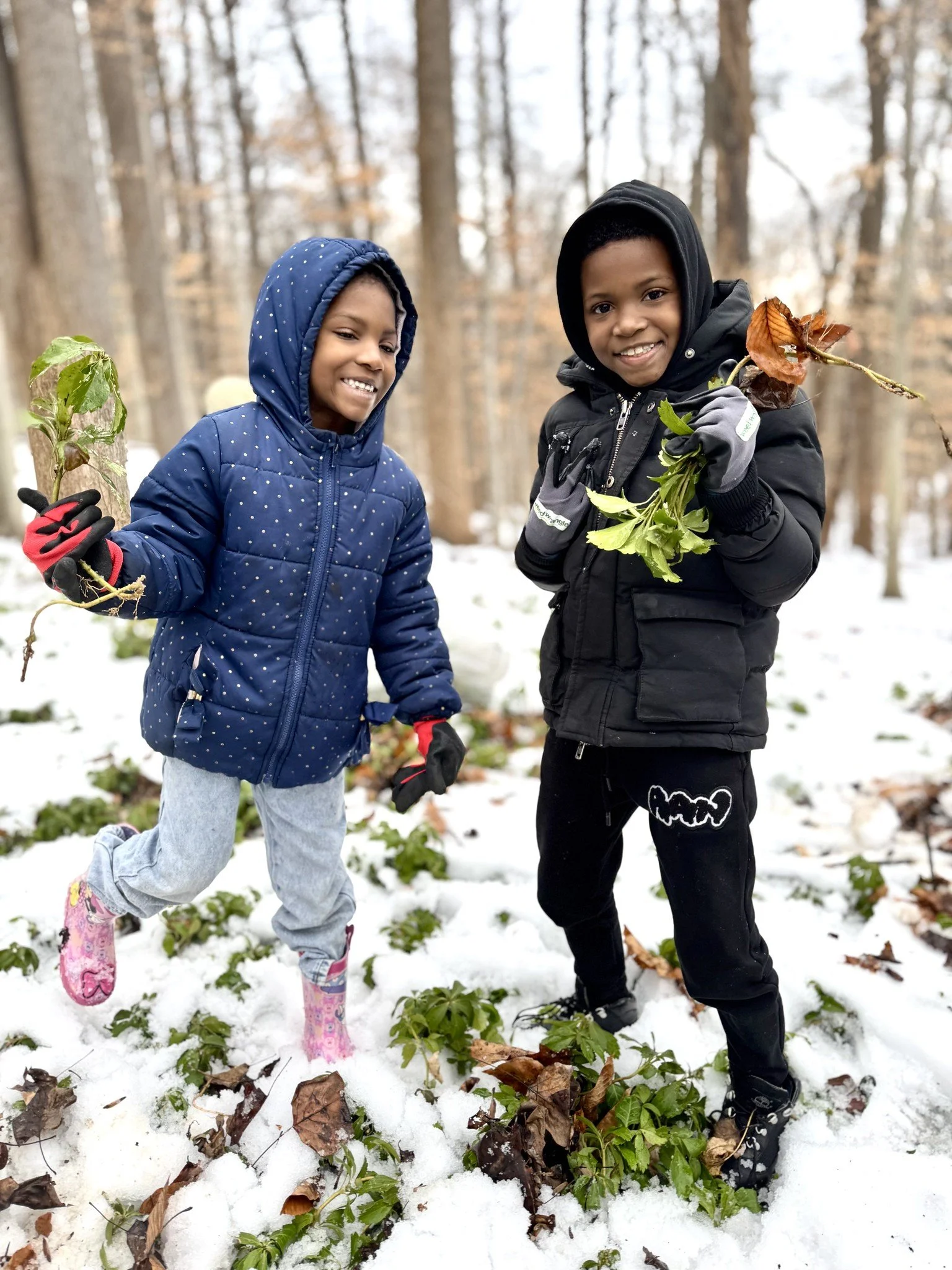
In January 2025, volunteers remove Japanese pachysandra on MLK day.
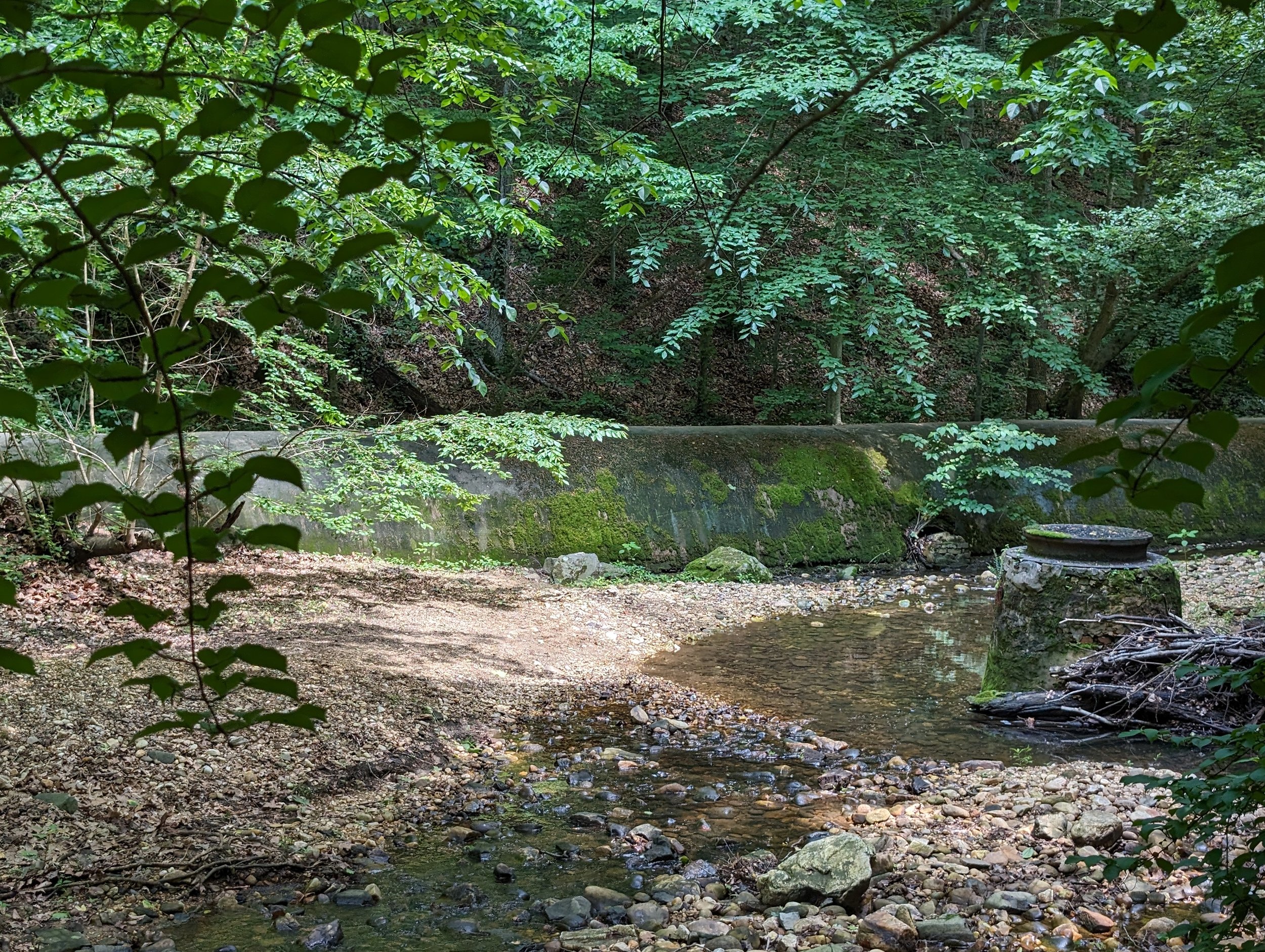
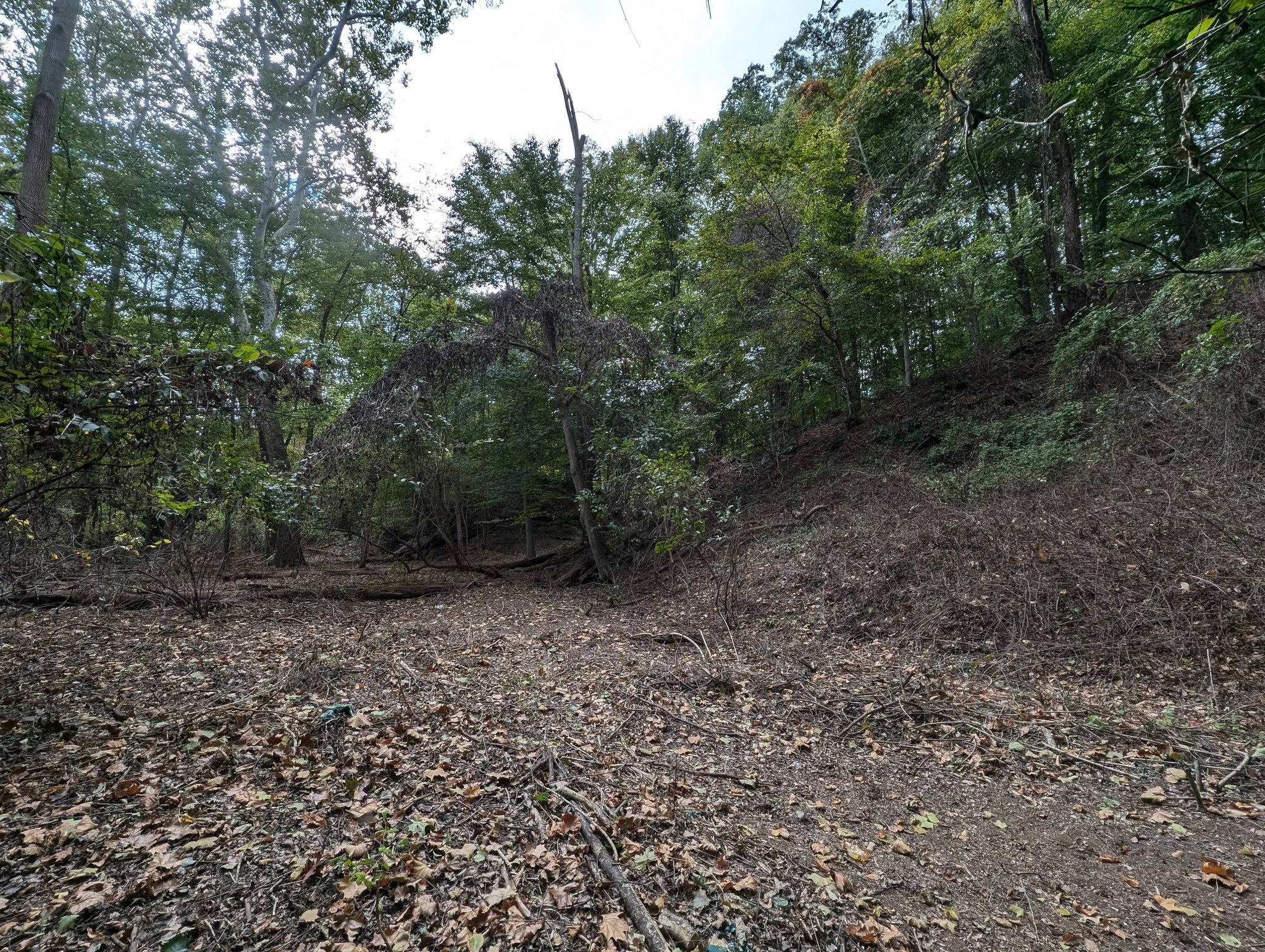
In fall 2024, the floodplain was cleared of 100% cover by snowball viburnum, preparing the site to be replanted with a palette of native trees and shrubs.
In fall 2024, contractors treated invasive vines, focusing on intense arborized porcelain berry and bittersweet cover on trees at the forest edge.
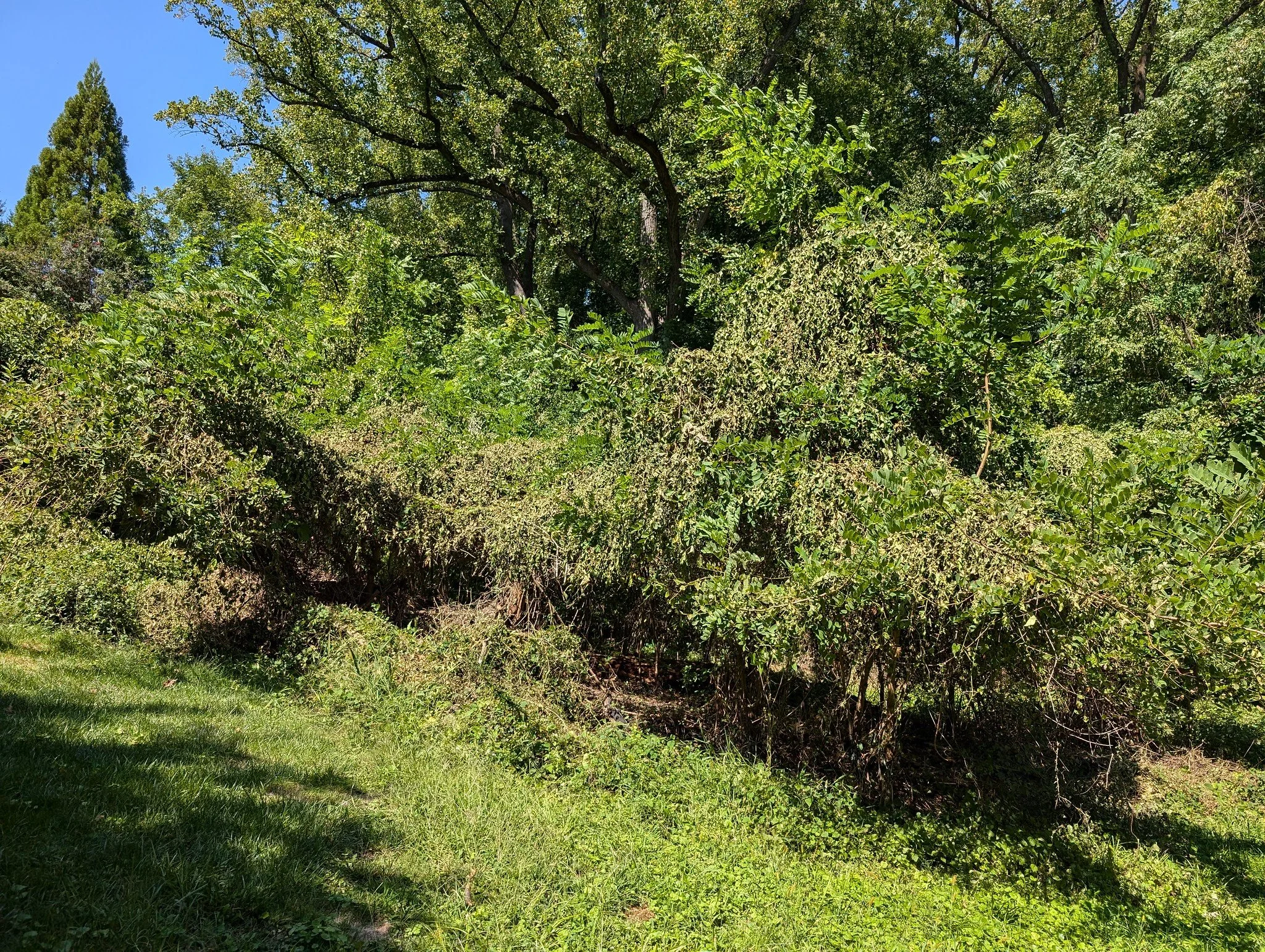
Before work began in 2024, the floodplain was completely covered by mature invasive shrubs - mostly snowball viburnum and wineberry.