

Interview Spotlight
Wesal Astephan
“It’s amazing to see the forest floor clear up from invasive plants and allow for natives to flourish. I’ve noticed more mayapple, skunk cabbage, and spicebush, as examples”
Wesal Astephan is one of the Conservancy's valued volunteer Weed Warriors. Weed Warriors are specialized volunteers who are granted permits through the National Park Service to remove invasive plants in designated areas of Rock Creek Park. Individuals are trained with the knowledge, skills, and techniques to help us support management of invasive plants in our region. Weed Warriors are essential in helping us protect the natural biodiversity of the park.
We had the opportunity to speak with them and learn more about their work in Rock Creek Park. Read our interview below to learn more.
Meet Wesal
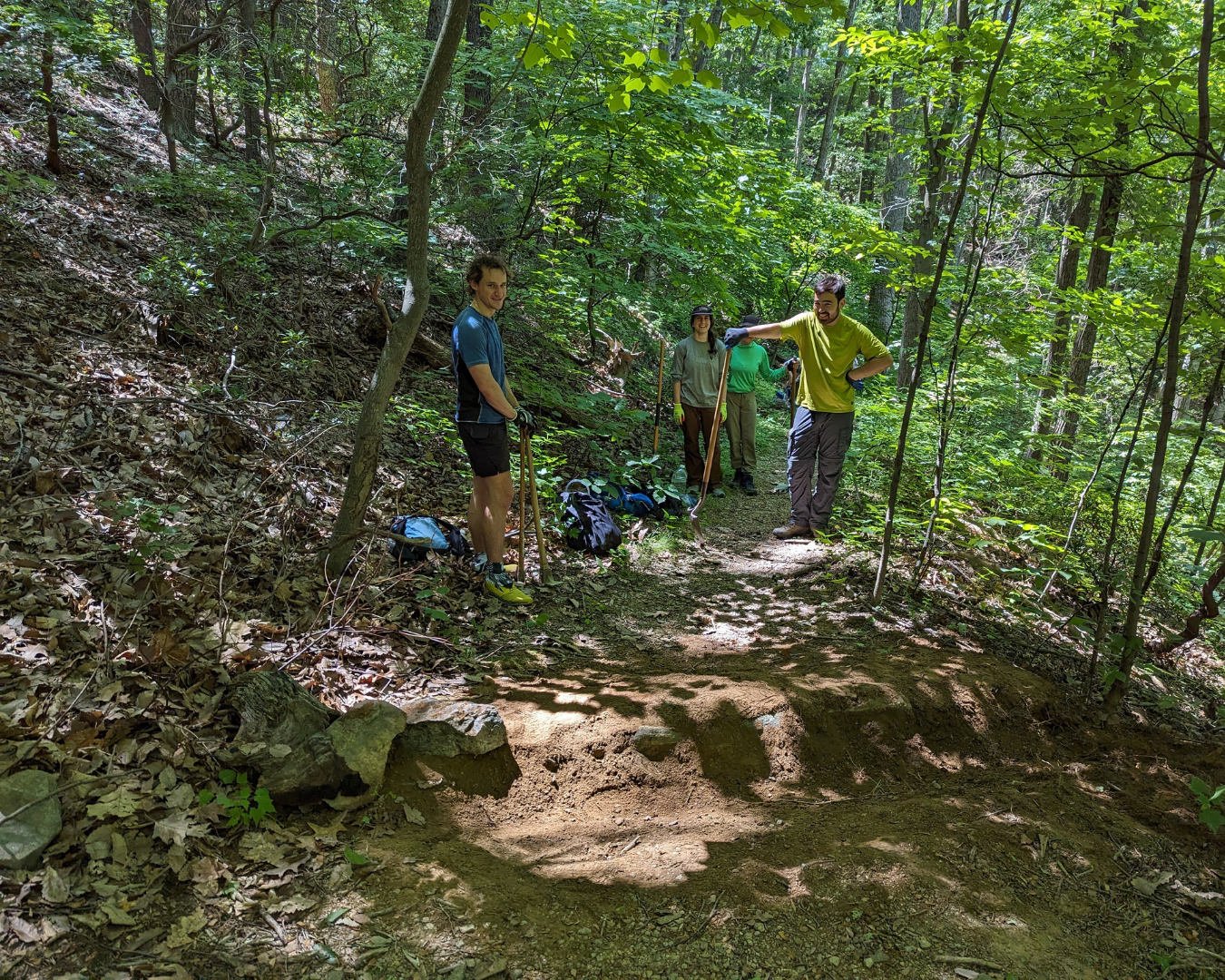
Wesal Astephan in the field
Photo Credit: Wesal Astephan
1. What's your favorite part of the park, or your favorite plant or animal there?
It’s difficult to choose a favorite part of the park, but one of my favorite aspects of Rock Creek is how each section reveals a different identity. I love being greeted by the tall pines when hiking up the Valley Trail from Park Road NW, the seclusion of Piney Branch, meeting the rushing creek with its large boulders when crossing the Rapids Bridge. More recently, I have gotten into mycology and enjoy observing all of the different fungi and slime molds that propagate throughout the seasons.
2. What motivates you to volunteer with the Conservancy in Rock Creek Park?
As a regular trail user and someone who cares about the environment, volunteering with the Conservancy has offered an accessible way to give back. Moreover, the Conservancy does a great job of educating volunteers about our local ecosystem, the challenges it faces, and where citizens fit into the picture. It’s easy to understand and see firsthand how our efforts help promote biodiversity and natural habitats in Rock Creek Park.
3. Where in the park do you usually volunteer?
I primarily volunteer at the Reservation 630 West Mini-Oasis. I’ve also participated in events at nearby 630 East, Piney Branch, Trail 9, and Whitehaven over the years.
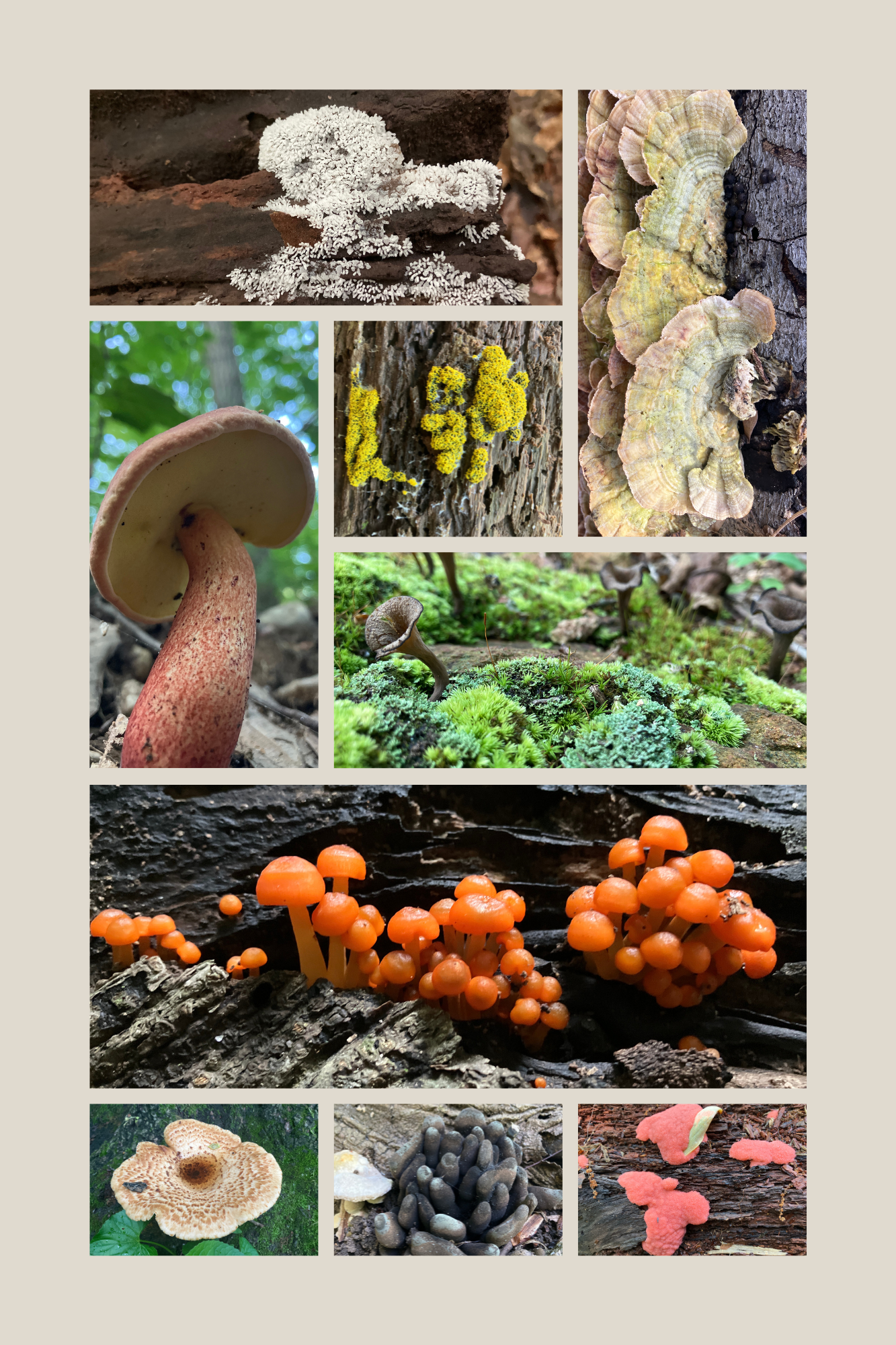
Wesal’s Collage of his findings in Rock Creek Park
4. What's the most satisfying part of your volunteering?
Both the staff at the Conservancy and network of volunteers are incredibly supportive and knowledgeable about ecology and park restoration. I appreciate that I am always learning, whether it is about new plants or species-specific removal/treatment methods. As much as it is intellectually enriching, volunteering also allows for time to connect with nature, making for a deeply holistic experience.
5. What impact do you notice from your work in the wooded parts of Rock Creek Park?
It’s amazing to see the forest floor clear up from invasive plants and allow for natives to flourish. I’ve noticed more mayapple, skunk cabbage, and spicebush, as examples.
6. What would you say to someone who's considering volunteering?
There are many ways to volunteer and levels of engagement, so all-in-all it’s a very flexible opportunity. My first event was a one-off for National Public Lands Day and I gradually attended more invasive removal events in my neighborhood before committing to becoming a Weed Warrior, which has allowed me to do independent work when I can’t attend hosted events.